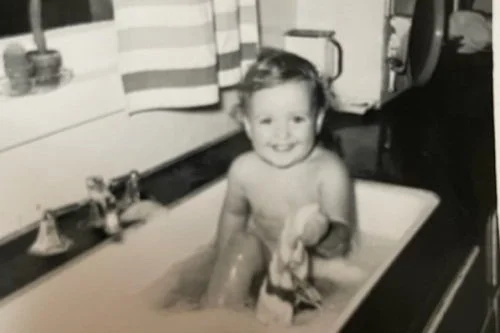
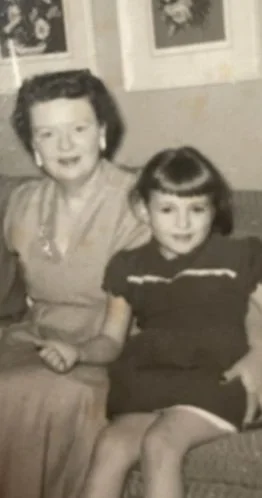
I was adopted when I was five months old. Like many people during the 1960s, my adoptive mother had a drinking problem. I disliked her vehemently when she was inebriated. Or rather, I vehemently disliked the person she became when she was drunk. Absent school days and stress-filled celebrations were an unfortunate part of my life.
Ah, but there’s the rub. Mostly, I loved my mother with striking devotion. She was an intelligent and strong woman ahead of her time who didn’t fit in with the other mothers in our neighbourhood. Perhaps that’s one of the reasons she felt the need to withdraw into her own world.
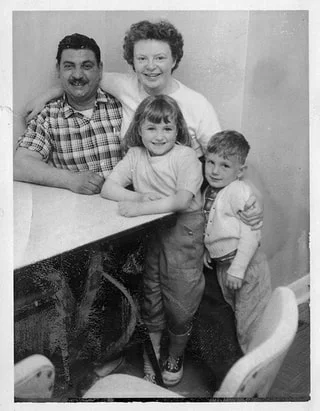
My life changed the day my mother told a neighbour I was adopted.
The neighbour proceeded to tell her daughter, who happened to be my grade school chum.
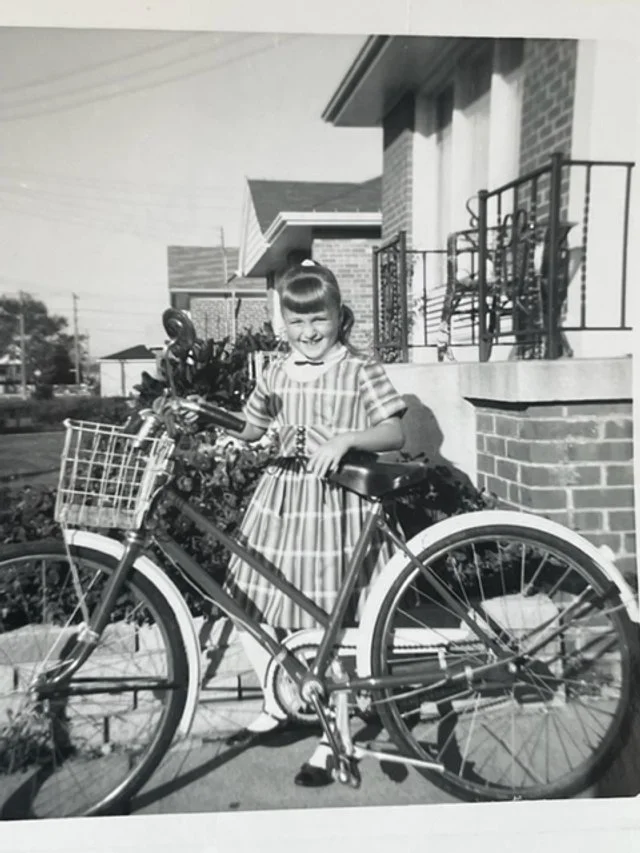
It was a simple and certain statement my friend stated on our way to school that day.
“Your mother isn’t your real mother.”
I waited anxiously until after school to discuss this with my mother, though I assumed there would be a swift and forceful denial. There wasn’t. My mother couldn’t deny the truth when she’d already voiced it to someone she wasn’t close to, someone who most likely shared the news with more than just her daughter.
At first, I wondered why my mother would disclose my adoption to a neighbour she barely knew before I knew it myself.
At ten, I questioned why she didn’t think of me as simply her daughter. And from that moment on, I was forced to wonder how she truly viewed me.
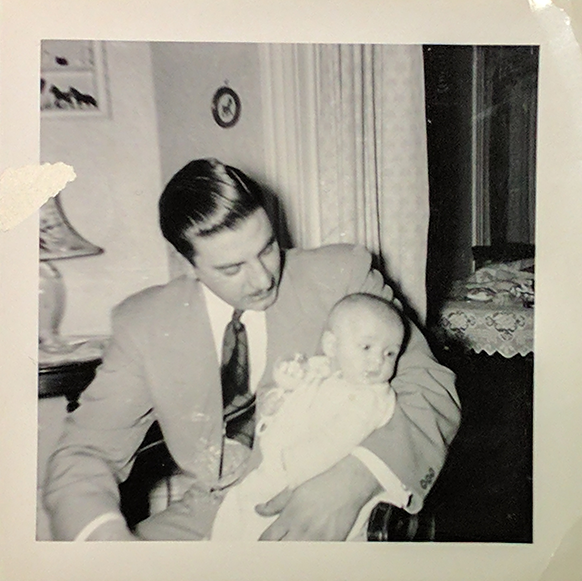
My mother said that she and my father chose me, so obviously this was proof that she loved and wanted me. I held onto these words, especially when her actions suggested otherwise.
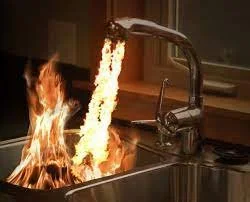
Shortly after I learned of my adoption, my mother set aflame my adoption papers in our kitchen sink. I watched the flames rise and said not a word. The act must have felt appropriate to my mother at the time.
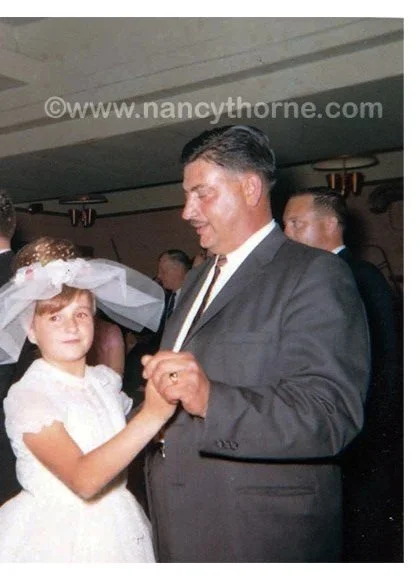
My adoptive father was a stabilizing figure in our home. We were like two peas in a pod who never took one another’s love and respect for granted.
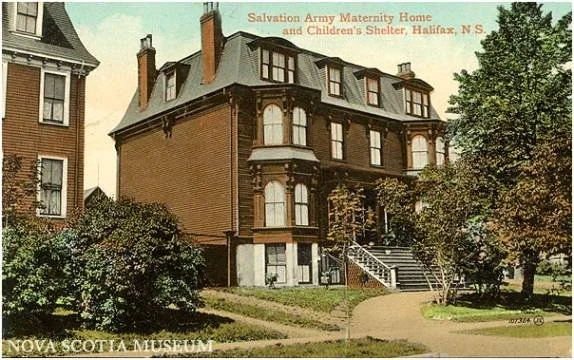
Between the years of 1945 and 1973 in Canada, over 400,000 young women, mainly in their teenage years, were influenced to enter maternity homes. These homes were heavily funded by the Canadian government and housed up to 200 women at a time. Most babies were put up for adoption.
I learned from the Children’s Aid Society that my situation was different. My birth mother lied to her parents and said she was going away to visit a friend on the West Coast. Instead, she secretly lived with her brother in downtown Toronto until my birth, an hour and a half away from her family home.
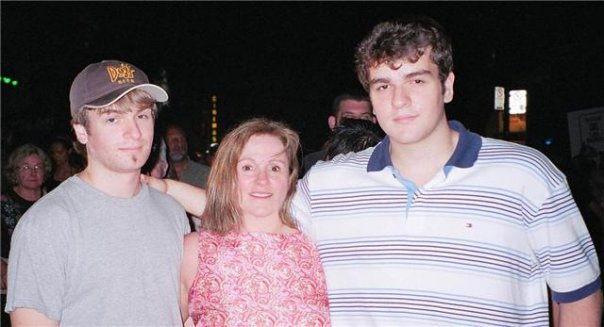
With my sons 2005
I didn’t apply for my adoption disclosure information until I was in my early 40s. Over the years I lost most of my curiosity about my birth mother, but still desired information regarding genetic health issues that could be passed down to me, and subsequently my sons.
Though I had my birth mother’s full name and locale, I never contacted her. I had a mother. I had a father. No family is perfect, though some are closer to perfection or destruction than others.
Not long ago, I discovered my birth mother’s obituary online, along with her photo. Her death notice answered my question about her life span and half of my inherited length-of-life DNA. Oddly enough, I look nothing like her.
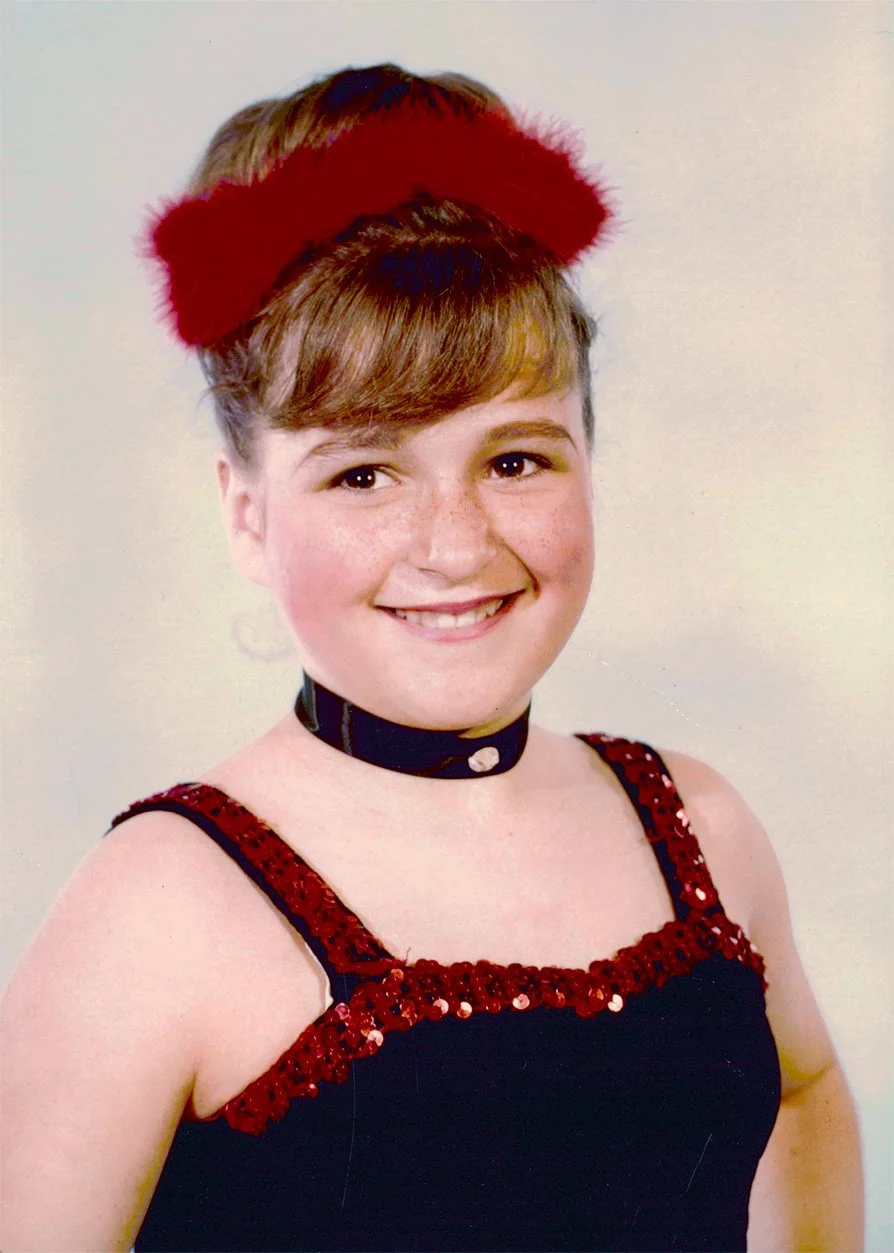
MY ADOPTIVE MOTHER - SIMPLY MOM TO ME - WORRIED ABOUT THE DAY MY BIRTH MOTHER MIGHT SEEK ME OUT. SHE NEEDN’T HAVE. DESPITE THE TURMOIL IN OUR HOME, I LOVED HER LIKE NO OTHER, ESPECIALLY HER FEISTINESS AS A WOMAN AND HER SENSE OF HUMOUR WHEN SHE WAS SOBER AND HER AUTHENTIC SELF. AND NO ONE IN THE WORLD, GENETICALLY RELATED OR NOT, HAD THE ABILITY TO CHANGE THAT.
MY MOTHER QUIT DRINKING BEFORE I HAD MY FIRST SON. SHE TURNED OUT TO BE A WONDERFUL GRANDMOTHER. I AM FOREVER GRATEFUL TO HER FOR THE LOVE SHE SHOWED MY BOYS.
